
For a lot of high schoolers, gaming isn’t just a hobby anymore. It is basically a second job. And while nobody is saying games aren’t fun, what they are quietly doing to people’s health and habits is something that cannot be ignored.
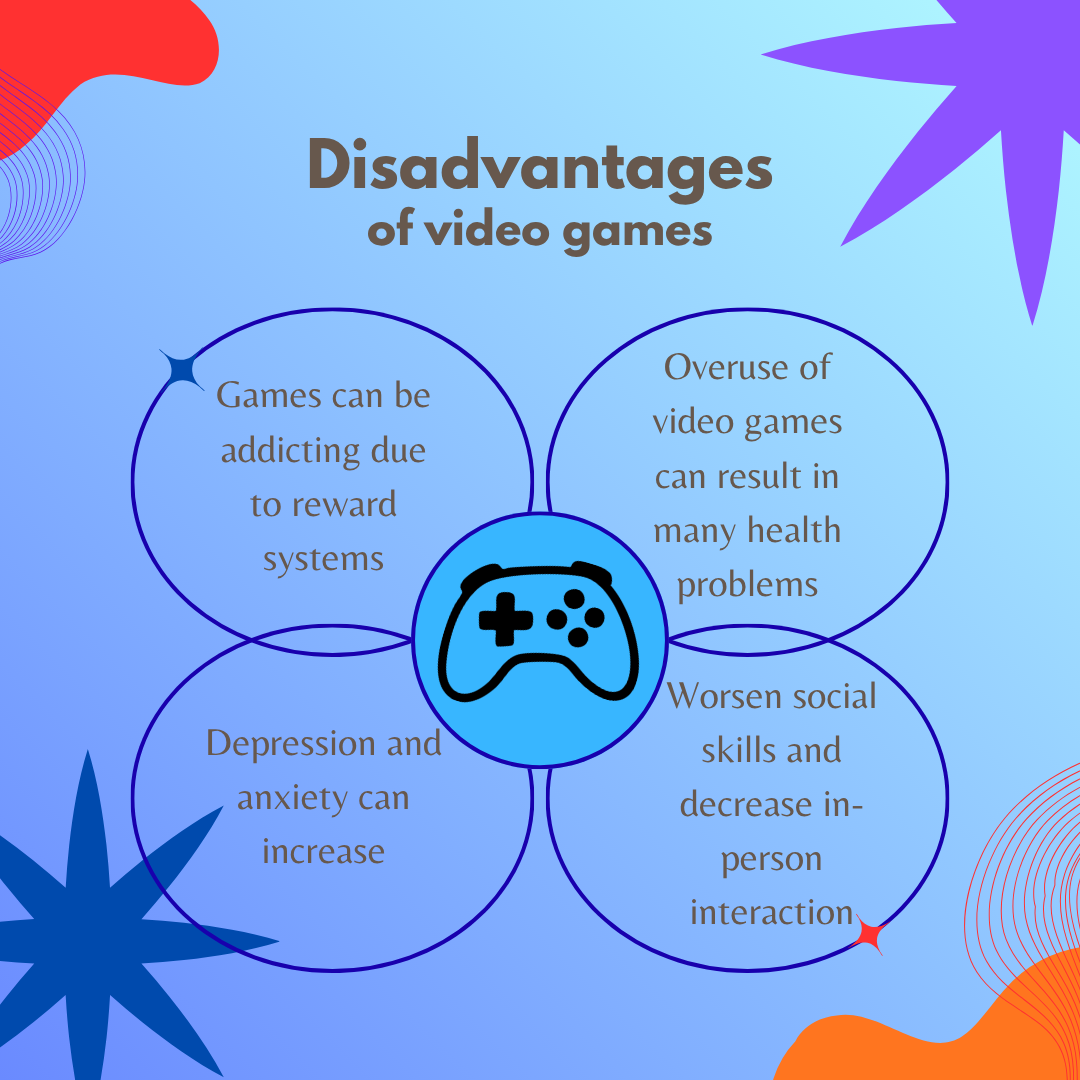
Game developers use reward systems like leveling up, unlocking achievements and earning in-game currency to trigger dopamine that releases into player’s brains. This is the same chemical process behind other addictive behaviors. The World Health Organization officially recognized “gaming disorder” as a diagnosable condition in 2019. This disorder is an inability to control gaming habits even when it causes harm to daily life. This is not extreme. It is a medical reality that affects many teenagers across the country.
The physical toll gaming has on people’s bodies is just as alarming. Long gaming sessions mean hours of sitting still, staring at a screen and skipping sleep. Research consistently links excessive screen time to disrupted sleep cycles, eye strain and a lifestyle that raises the risk of obesity and cardiovascular problems. Gamer’s thumb and repetitive strain injuries are also common among teenagers who play for hours each day. And it is not just the body breaking down slowly. Pulling all nighters to complete a level means showing up to school exhausted, making it harder to focus and retain information.
In addition to the physical health problems, it is shown that there are many mental health side effects. Studies have linked heavy gaming to elevated rates of anxiety, depression and social isolation. The constant pressure to rank up, win and keep up with other players can create a cycle of stress that never really goes away. Over time, using games as an escape from problems rather than dealing with them can make those problems even worse.
While some argue games build community and improve problem-solving skills, the screen can also separate players from genuine relationships and responsibilities. A virtual friend group is not the same as real human connection, and no amount of in-game teamwork can replace the moments happening outside of the game.
None of this means playing video games occasionally is dangerous, but the industry profits from getting players addicted, and teenagers are primarily the target. Before spending another night playing hours of video games, think about the overall effects these games can have on the body.


